
A roof is one of the most critical components of any home, yet it is also one of the most overlooked until a problem appears. It protects the structure from rain, wind, debris, and extreme temperatures while helping regulate indoor comfort and energy efficiency. Because of its constant exposure to the elements, roofing materials gradually wear down over time. Storm damage, aging materials, and poor maintenance can all contribute to leaks, structural issues, and costly repairs.
When roofing problems arise, homeowners are often faced with an important decision: should the roof be repaired or replaced entirely? While repairing damaged areas can be a cost-effective solution in many cases, there are situations where installing a new roof is the smarter long-term investment. Determining which option is best requires evaluating the extent of damage, the age of the roof, and the overall condition of the materials.
Understanding the differences between these services and knowing when to seek professional help can prevent small issues from becoming major structural problems. This guide explores the signs of roofing damage, the factors that influence repair or replacement decisions, and how homeowners can choose the right professionals to ensure their roof remains strong and reliable for years to come.
Understanding the Key Differences Between Repairing and Replacing a Roof
When roofing problems appear, the first step is understanding what type of service is actually needed. Many homeowners assume any damage automatically means a complete overhaul is required, but that is not always the case. In many situations, targeted roof repairs can restore the roof’s functionality without the need for a full replacement.
Roof repairs typically focus on fixing isolated issues that affect a limited portion of the roof. These problems may include minor leaks, loose shingles, or small areas of storm damage. Because the repair work is localized, it usually requires less labor and fewer materials. This makes it a faster and more affordable solution when the rest of the roofing system is still in good condition.
A roof replacement, on the other hand, involves removing the existing roofing materials and installing a new system across the entire surface. This process is more extensive but provides a fresh start with new materials and improved durability.
Common situations where repairs are effective include:
- A few missing shingles caused by strong winds
- Small leaks around flashing or vents
- Limited storm damage affecting one section
- Minor cracks or wear in roofing materials
However, there are cases where replacement becomes the better choice. If damage is widespread or the roof is nearing the end of its lifespan, installing a new system can prevent recurring problems.
Situations that often require replacement include:
- Severe storm damage affecting large areas
- Structural deterioration beneath the roofing materials
- Multiple leaks across different parts of the roof
- Aging roofs that have exceeded their expected lifespan
Understanding the scope of the problem is the first step in deciding which service will provide the best protection for your home.
Warning Signs That Indicate Roofing Problems
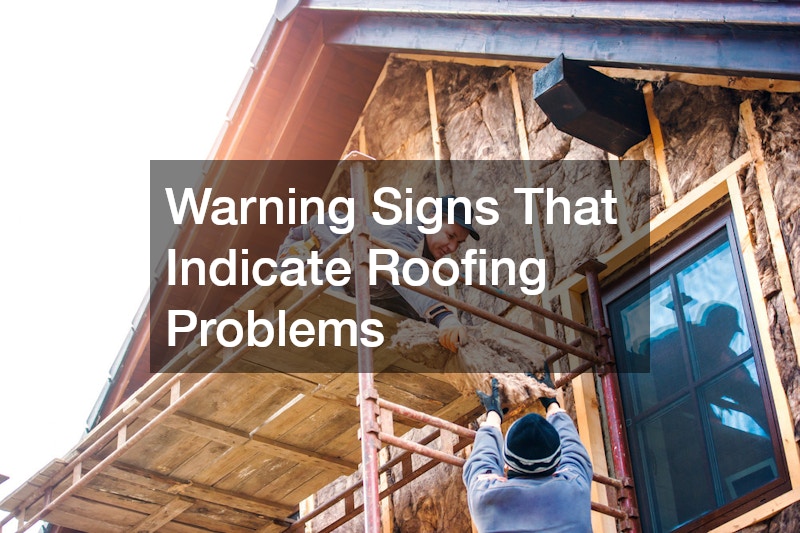
Roof damage is not always obvious from the outside. In many cases, the earliest warning signs appear inside the home or in areas that are rarely inspected. Recognizing these signs early can help homeowners address issues before they become severe.
One of the most common indicators of roofing problems is water intrusion. When moisture finds its way through damaged materials, it can spread through insulation, ceilings, and walls.
Indoor warning signs include:
- Water stains on ceilings or walls
- Peeling paint or bubbling drywall
- Mold growth in attic spaces
- Damp insulation
- Musty odors in upper floors
These signs often indicate that water is entering through the roof and traveling through the structure.
Exterior signs can also reveal potential damage. A visual inspection from the ground may reveal visible deterioration that should be evaluated by a professional.
Common outdoor warning signs include:
- Shingles that appear cracked, curled, or missing
- Dark streaks or algae growth across roofing surfaces
- Granules collecting in gutters
- Sagging sections of the roof
- Loose flashing around chimneys or skylights
When these issues appear, it is usually best to contact a roof repair service to evaluate the condition of the roof. In many cases, homeowners benefit from working with a local roof repair service because nearby professionals can respond quickly after severe weather events and provide prompt inspections.
Taking action early prevents minor problems from spreading into larger structural damage that may require more extensive work.
How Roof Age and Material Type Affect Your Decision
The age of a roof is one of the most important factors when determining whether repairs are worthwhile. Roofing materials have a limited lifespan, and once they begin to deteriorate, repairs may only offer temporary relief.
Different roofing materials last for different lengths of time. Understanding these timelines can help homeowners determine whether their roof is still within its expected life cycle.
Typical lifespan ranges include:
- Asphalt shingles: approximately 20 to 30 years
- Architectural shingles: around 25 to 35 years
- Metal roofing systems: 40 to 70 years
- Tile or slate roofs: 50 years or longer
If a roof is relatively new and the damage is limited, repairs are often the most logical solution. In these cases, replacing a few damaged sections can restore protection without significant cost.
However, older roofs often experience widespread deterioration. Shingles may lose their protective granules, become brittle, or begin to crack across large areas.
A professional shingle roofing service can evaluate the condition of the materials and determine whether localized roof repairs will provide lasting protection. If the damage is isolated and the rest of the roof remains structurally sound, repairing the affected areas may extend the roof’s lifespan for many years.
When deterioration becomes widespread, however, replacing the entire roof often provides better long-term value and reliability.
Financial Factors That Influence the Decision
Cost is a major consideration for homeowners when evaluating roofing options. Repairs typically involve smaller projects with lower upfront expenses, while replacement projects require more materials and labor.
The cost of roofing services depends on several factors, including:
- The size and slope of the roof
- The type of roofing materials used
- Labor requirements
- Accessibility of the roof
- The extent of structural damage
Minor repairs may cost a few hundred dollars, while larger repair projects can reach several thousand. A full roof replacement generally involves a higher initial investment because the entire roofing system must be removed and replaced.
Although replacement is more expensive at first, it may offer better long-term value if the roof has recurring issues. Installing a new roof can reduce future repair costs and improve the overall durability of the home.
Homeowners should consult a reputable roofing company to obtain accurate estimates and discuss available options. A professional evaluation can help determine whether repairing the roof will provide lasting results or if replacement will be more cost-effective over time.
Long-term benefits of installing a new roof may include:
- Improved energy efficiency
- Increased property value
- Manufacturer warranties on materials
- Reduced maintenance needs
Understanding both the short-term and long-term financial implications helps homeowners make a well-informed decision.
Why Professional Inspections Are Essential
Many roofing issues are not visible without a close inspection. Even experienced homeowners may overlook hidden damage that exists beneath shingles or inside attic spaces. This is why professional inspections are an important step when deciding how to address roofing problems.
During a roof inspection, a roofing contractor examines several components of the roofing system to determine its overall condition.
A thorough inspection typically includes:
- Evaluating shingles and surface materials
- Checking flashing around chimneys, vents, and skylights
- Inspecting roof decking for signs of rot or moisture
- Assessing attic ventilation and insulation
- Identifying areas where water may be entering the structure
These evaluations help professionals determine whether the damage is localized or if deeper structural issues exist.
Experienced roofing contractors also understand how weather conditions affect roofing materials. Their expertise allows them to recommend solutions that will provide long-term durability and protection.
Homeowners should ask several questions before hiring a roofing contractor, including:
- Are you licensed and insured?
- How long have you worked in the roofing industry?
- Can you provide references from recent projects?
- What type of warranty is included with the work?
Choosing qualified professionals ensures the inspection process is accurate and reliable.
Choosing the Right Roofing Professionals
Finding trustworthy roofing professionals is one of the most important steps in completing a successful project. The quality of the installation or repair work can significantly affect the lifespan of the roof.
Working with experienced local roofers often provides several advantages. Because they operate in the same region, they understand local weather patterns, building codes, and common roofing materials used in nearby homes.
Benefits of hiring local professionals include:
- Faster response times after storms
- Knowledge of regional climate conditions
- Familiarity with local building regulations
- Established reputation within the community
Homeowners should also compare multiple local roofing contractors before making a decision. Gathering several estimates helps ensure fair pricing and allows homeowners to evaluate the experience and professionalism of each contractor.
When researching contractors, it is helpful to:
- Read online reviews and testimonials
- Ask neighbors or friends for recommendations
- Review examples of completed roofing projects
- Verify licensing and insurance credentials
Taking time to carefully evaluate contractors reduces the risk of poor workmanship and ensures the roofing project is completed properly.
Maintaining Your Roof After Repairs or Replacement
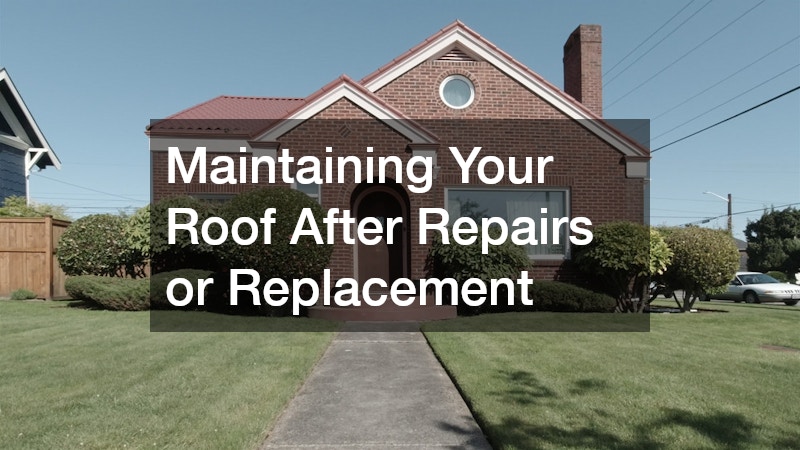
Once roofing work has been completed, proper maintenance becomes essential for preserving the roof’s lifespan. Even high-quality roofing systems require regular care to remain in good condition.
Routine maintenance allows homeowners to identify small problems early and prevent them from turning into larger issues.
Key maintenance practices include:
- Inspecting the roof annually
- Removing debris such as leaves and branches
- Keeping gutters and downspouts clear
- Checking flashing around chimneys and vents
- Monitoring attic ventilation
Seasonal inspections are also beneficial because they allow homeowners to evaluate the roof after severe weather events.
Many roofing contractors recommend scheduling professional inspections once a year. These inspections can detect minor issues that might otherwise go unnoticed.
Some companies also offer maintenance programs that include:
- Scheduled roof inspections
- Minor repair services
- Gutter cleaning
- Debris removal
Working with an experienced roofing company for regular maintenance helps ensure that the roof remains durable and reliable for decades.
Deciding whether to repair or replace a roof is not always straightforward. The right choice depends on several factors, including the extent of damage, the age of the roof, the condition of the materials, and the homeowner’s long-term goals. When considering these elements, it is important for homeowners to engage in a comprehensive evaluation, often requiring professional assistance, to understand the full scope of roofing needs.
Minor damage in newer roofs can often be resolved with targeted repairs that restore protection without major expense. These repairs might involve replacing a few shingles or sealing leaks that have developed due to isolated cracking or weather impact. However, when deterioration becomes widespread—perhaps due to age, ongoing water ingress, or systemic material failure—installing a new roof may provide greater long-term value and reliability. A new roof ensures comprehensive coverage, improves property value, and enhances curb appeal while offering robust protection against environmental factors.
By recognizing warning signs early, scheduling professional inspections, and working with qualified roofing experts, homeowners can make informed decisions that protect their homes and prevent costly damage. Early signs might include visible leaks, sagging areas, missing shingles, or unexpected changes in heating and cooling costs. With the right approach and ongoing maintenance, such as clearing gutters, inspecting attic structures, and ensuring proper ventilation, a strong and well-maintained roof can provide dependable protection for many years. This proactive management safeguards not only the aesthetic and functional integrity of the roof but also secures the overall safety and wellness of the household.